What to know about pavement flower permits in City of London
Posted on 23/10/2026
If you are looking into What to know about pavement flower permits in City of London, chances are you are trying to do two things at once: make your frontage look better and stay on the right side of local rules. That sounds simple enough, but in a busy place like the City, even a modest flower display can raise questions about space, access, safety, and permissions. Truth be told, a neat planter outside a shop, cafe, or office can make a street feel warmer in seconds. It can also become a nuisance if it narrows the pavement or blocks movement at the wrong time of day.
This guide explains how pavement flower permits generally work, why they matter, who needs them, and what to check before you spend a penny on displays. You will also find a practical step-by-step process, common mistakes, a comparison of options, and a realistic checklist you can use before you apply or set anything out.
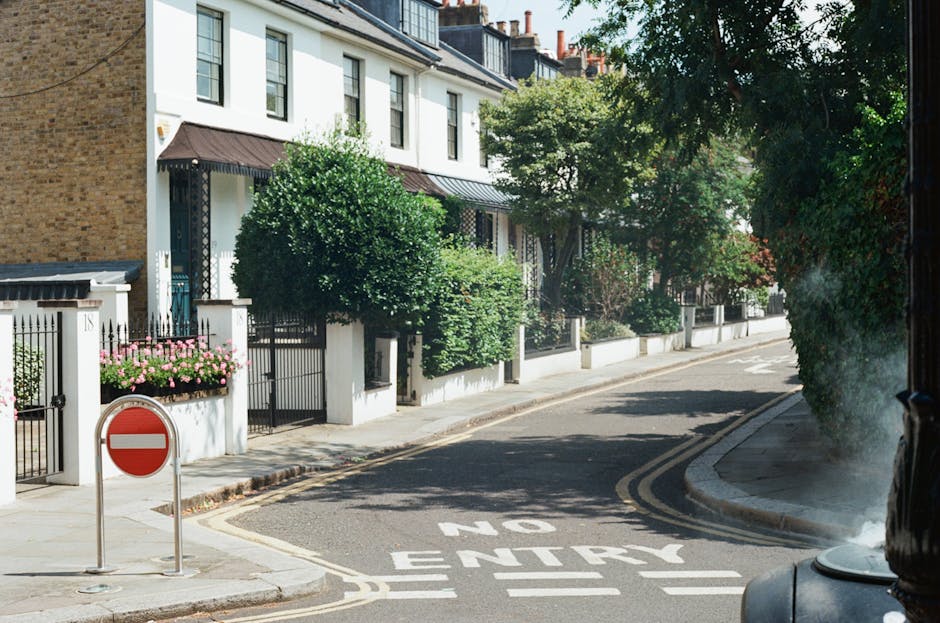
Table of Contents
- Why What to know about pavement flower permits in City of London Matters
- How What to know about pavement flower permits in City of London Works
- Key Benefits and Practical Advantages
- Who This Is For and When It Makes Sense
- Step-by-Step Guidance
- Expert Tips for Better Results
- Common Mistakes to Avoid
- Tools, Resources and Recommendations
- Law, Compliance, Standards, or Best Practice
- Options, Methods, or Comparison Table
- Case Study or Real-World Example
- Practical Checklist
- Conclusion
- Frequently Asked Questions
Why What to know about pavement flower permits in City of London Matters
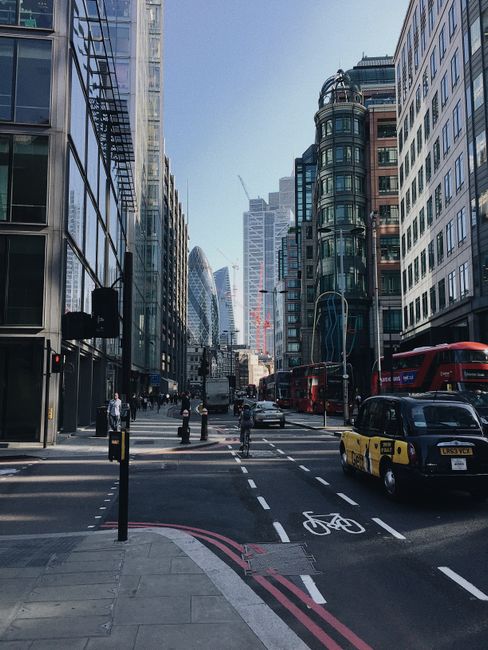
Pavement flower permits matter because pavements are shared space. In the City of London, that shared space is especially valuable. You have commuters, visitors, delivery drivers, people with pushchairs, wheelchair users, cyclists wheeling bikes, and office workers stepping out for lunch. A flower stand that looks charming at 9am can feel very different at 5:30pm when the street is packed.
The basic issue is not whether flowers are attractive. They are. It is whether the display is placed legally, safely, and in a way that keeps the route usable for everyone. That is the real heart of the matter. A permit, licence, or consent process exists to help manage that balance.
There is also a business angle. A well-planned display can make a premises look cared for, lift footfall, and create a friendlier first impression. But if you guess instead of checking, the display can be removed, challenged, or restricted. No one wants to buy nice containers only to find they need to move them the following week. A little planning saves a lot of faff later.
Another practical reason: the City is not a quiet suburban high street. Space is tight, and expectations around access tend to be stricter. If your display sits near a narrow passage, a busy entrance, a threshold ramp, or a kerbside loading area, the details really matter. Even a few centimetres can make a difference.
Key takeaway: pavement flower permits are not just about decoration. They are about protecting access, reducing risk, and making sure a display works in a dense, high-traffic environment.
How What to know about pavement flower permits in City of London Works
In plain English, a pavement flower permit is usually the formal approval needed to place flower displays, planters, pots, or similar decorative items on public pavement or highway land. The exact terminology may vary, and the local process can be different depending on whether the display sits on private land, leased frontage, or public footway. That distinction is crucial.
Here is the practical version. If the flowers are entirely inside your own boundary, you may not need a pavement-related permit. If they extend into the public way, or if the street furniture is on land controlled by the highway authority, permission is usually the thing to check first. Don't assume because it is "just flowers" that it is automatically fine. Councils do not always see it that way. Fair enough, really.
The permit process, where applicable, normally focuses on a few common points:
- how much space the display takes up
- whether pedestrians can still pass comfortably
- the risk of trip hazards or obstruction
- visibility for road users and building entrances
- maintenance, watering, and keeping the area tidy
- whether the display is temporary, seasonal, or permanent
Some premises also need to think about whether the flowers form part of a broader street trading or outdoor frontage arrangement. For example, a florist with a display outside the shop may face different expectations from a cafe with planters by the door. The arrangement itself matters as much as the plants.
If your frontage includes other elements like branded boards, seating, or service items, the permit question becomes more layered. That is where a wider look at your operations helps. For businesses in the area, pages such as florist services in Barbican EC2Y and flower shops in Barbican can be useful if you are planning flowers as part of a broader frontage or retail setup.
Key Benefits and Practical Advantages
When handled properly, a pavement flower arrangement can do more than look nice. It can support your brand, improve the feel of a street-facing business, and make a site look more welcoming without feeling overdone.
- Better curb appeal: fresh flowers soften hard city streets and make premises look open and cared for.
- Clearer customer experience: people often find businesses easier to spot when there is a tidy, consistent frontage.
- Seasonal flexibility: you can refresh displays for spring, summer, winter, or special occasions.
- Low-tech marketing: honestly, a smart planter can do more than a small signboard on some streets.
- Neighbourhood fit: in the City, well-managed frontage design can make a business feel like it belongs.
There is also a less obvious benefit: permits and formal checks force you to think through the practicalities. That means better layout, fewer complaints, and fewer rushed changes later. It is the boring part that often prevents the expensive part. A classic little London story, that.
If the display is part of a recurring delivery or event setup, it can help to think about timing as well. A display delivered early morning may look perfect when the street is calm, but by lunchtime it should still be stable, balanced, and not in anyone's way. If you are ordering flowers to support an installation, flower delivery in Barbican EC2Y or even same-day flower delivery in Barbican may help when timing is tight.
Who This Is For and When It Makes Sense
This topic matters to a surprisingly wide range of people. You do not need to run a florist to run into pavement flower permit questions.
Business owners with street-facing premises
If you run a shop, salon, cafe, restaurant, office lobby, or reception space with frontage onto the pavement, you may want decorative planting outside. That is especially common when you want to make a small entrance feel more polished without major building work.
Florists and event businesses
Florists often work with temporary displays, seasonal frontage pieces, and occasional outdoor arrangements. If your business involves regular installations, it is worth understanding permit expectations early so you can plan layouts and delivery windows that fit the local environment.
Landlords, property managers, and facilities teams
If you oversee a commercial building, frontage is part of the asset. A neat floral display can improve presentation, but the responsibility for access and compliance still needs to be clear. You will usually want a process, not a guessing game.
Hospitality venues
Pubs, cafes, bars, and restaurants often use planters to create softer boundaries or add atmosphere. The issue is rarely the flowers themselves; it is whether the display stays within the permitted footprint and does not interfere with pedestrians, emergency access, or cleaning schedules.
Event organisers and seasonal decorators
Temporary installations for weddings, holidays, launches, or community events can be a lovely touch. Seasonal flowers and curated arrangements from collections like summer flowers or florist choice are often practical for short-lived displays when you need something flexible rather than overly specific.
When does it make sense to act? Usually before you buy the display hardware. That is the honest answer. It is much easier to design around the rules than to fix a display after it is already in place.
Step-by-Step Guidance
If you are trying to work out the safest route through the process, use this sequence. It keeps things grounded and avoids the usual rushed mistakes.
- Confirm where the display will sit. Measure the exact footprint. Check whether any part of the arrangement will extend onto public pavement, highway land, or a shared access route.
- Identify the controlling body. In the City, responsibility may sit with the local authority or another landholder depending on the frontage. This is the first thing to verify.
- Describe the display clearly. Note the size, type of container, height, whether it is fixed or movable, and whether it is temporary or permanent.
- Think about access. Ask yourself whether someone using a wheelchair, mobility aid, or pushchair can still pass without squeezing round the edge. If the answer is no, you need a better layout.
- Prepare supporting details. A simple sketch or photo of the frontage can help. So can a note about maintenance, watering, cleaning, and storage.
- Review any attached conditions. If permission is granted, read the conditions carefully. Placement, hours, responsibility for keeping the area clear, and weather-related checks may all matter.
- Install and inspect regularly. Weather, footfall, and day-to-day wear can shift planters more than you expect. A display that was tidy in the morning can drift by afternoon if nobody checks it.
A small practical tip: keep one person accountable. If three people think someone else watered, moved, or checked the planters, well, you can imagine how that ends. Usually in drooping stems and a slightly awkward conversation.
Expert Tips for Better Results
The difference between a display that looks polished and one that becomes a nuisance is usually in the details. Here is what experienced operators tend to get right.
- Choose stable containers. Lightweight pots are easier to move, but they can tip or slide more easily in wind or busy foot traffic.
- Keep planting compact. Tall, spreading arrangements can become accidental obstacles. Lower, cleaner shapes are often easier to manage.
- Match flowers to the environment. A sheltered entrance can support more delicate varieties, while exposed frontage often needs tougher, lower-maintenance choices.
- Plan for wet weather. Rain, wind, and slush all affect pavement displays. London weather likes to keep people humble.
- Use seasonal rotation. A display that changes through the year feels cared for and usually holds visual interest better than a single fixed arrangement.
- Keep branding subtle. Flowers should support the frontage, not fight it.
One useful rule of thumb: if you would hesitate to walk past it at speed on a busy weekday, the display may be too large or too close to the pedestrian line. Trust that instinct.
For businesses that want a tidy floral finish without overcommitting, collections like any occasion flowers, best sellers, and luxury flowers can help you choose arrangements that suit changing frontage needs.
Common Mistakes to Avoid
The most common problems are rarely dramatic. They are small, ordinary oversights that snowball.
- Assuming flowers are exempt: decorative items can still count as an obstruction if they sit on pavement land.
- Skipping measurements: "It fits" is not a measurement. Tape it out.
- Ignoring maintenance: a display that looks lovely on day one but gets neglected becomes shabby quickly.
- Using unstable pots: wobbling containers can create trip hazards or fall over in wind.
- Blocking sightlines: don't place tall arrangements where they reduce visibility near corners, doors, or vehicle access points.
- Forgetting weather: what stays put on a calm day may not stay put on a blustery one.
- Mixing uses without checking: flowers plus signage plus seating can become a planning headache if each element has a separate rule.
Another one that gets people: not distinguishing temporary from permanent use. A display for a weekend event may be treated very differently from a year-round pavement arrangement. If in doubt, assume the more cautious route. It usually saves time in the end.
Tools, Resources and Recommendations
You do not need specialist software to handle this well, but a few basic tools make a big difference.
- Tape measure: essential for footprint checks and clearance planning.
- Phone photos: helpful for documenting the frontage before and after installation.
- Simple sketch or floor plan: useful when describing a display in plain terms.
- Calendar reminders: good for watering, rotating, and checking seasonal changes.
- Weather awareness: a windy afternoon can be enough to move a lightweight container or tilt a tall arrangement.
For product selection, think about how the arrangement will actually be used. A delivery going to a high-footfall frontage may need sturdier stems and a more compact vase, while an indoor-facing or sheltered display can be more delicate. If you need flowers delivered quickly for a display refresh, next-day flower delivery in Barbican can be a practical option. For larger or more structured buying needs, you may also want to look at corporate accounts or corporate gifting if the flowers are part of a regular business routine.
And if you are trying to keep costs sensible while still making the frontage look neat, the budget range and cheap flowers collection can be worth a look. No shame in that. Not every display needs to scream luxury to do its job.
Law, Compliance, Standards, or Best Practice
This is the section where a little caution pays off. Pavement flower permits sit near the overlap of access, safety, and local control. The exact legal route may depend on the landowner, the highway authority, and the nature of the frontage. Because of that, you should treat local guidance and permit conditions as the deciding factor, not general assumptions.
In practice, the main compliance themes usually include:
- public access: keeping the pavement usable and clear
- trip and collision risk: avoiding awkward edges, loose pots, or overhanging stems
- visibility: not blocking sightlines for pedestrians, drivers, or building users
- maintenance: keeping the display tidy, stable, and in good condition
- responsibility: knowing who moves, waters, cleans, and inspects the display
If the arrangement involves a licensed frontage, street furniture, or other shared elements, conditions may be more detailed than people expect. Sometimes that includes limits on hours, cleaning responsibilities, acceptable materials, or where items must be stored when not in use. Nothing glamorous about that, but it matters.
Best practice is to keep records of what you installed, where it is placed, and any permission or correspondence related to it. That way, if someone later asks why a planter is there, you are not rummaging through old emails while standing in the rain. Been there? Most people have, at least once.
Options, Methods, or Comparison Table
If you are deciding how to present flowers near a pavement, it helps to compare the main approaches. The right choice depends on space, risk, and how permanent the display needs to be.
| Option | Best for | Pros | Watch-outs |
|---|---|---|---|
| Small movable planters | Flexible, temporary frontage | Easy to reposition, easy to remove | Can tip or drift if too light |
| Weighted decorative pots | Busy streets and exposed sites | More stable and visually solid | Harder to move, heavier to handle |
| Seasonal flower displays | Short-term campaigns or events | Fresh look, easy to change | Needs regular replacement and care |
| Permanent planting scheme | Established businesses or managed frontages | Consistent appearance, strong identity | Usually needs the most careful permission and upkeep |
For many City premises, the most practical route is a modest, movable arrangement that can be adjusted quickly. That flexibility is valuable when foot traffic changes by the hour. A display that works at 8am should still work after lunch rush and after a late-afternoon delivery. If it cannot, it is probably too ambitious for the pavement.
Case Study or Real-World Example
Consider a small street-facing office near a busy footway in the City. The team wanted a more welcoming entrance, so they planned two flower planters and a seasonal display near the doorway. The idea was simple enough: make the place feel less rigid and more inviting, especially for visiting clients who arrived a bit flustered after the Tube.
At first, they placed the containers too close to the natural walking line. It looked fine when the street was quiet, but in the lunch rush people had to veer around them. Nothing dramatic, but enough to be noticed. After measuring properly, they shifted the planters inward, chose lower arrangements, and reduced the overall width of the display. The change was subtle. The difference, though, was obvious.
The result was a frontage that felt calmer, cleaner, and easier to pass. The flowers still did their job, but they stopped competing with the pavement. That is the sweet spot. Not flashy. Just right.
If that kind of arrangement is on your radar, it may help to think in terms of routine rather than one-off decoration. Products such as flowers in a vase, florist choice 100, or florist choice 150 can be useful when you want attractive but manageable displays for a commercial setting.
Practical Checklist
Use this before you place or apply for any pavement flower display.
- Have you confirmed whether the display sits on public pavement land or private frontage?
- Have you measured the exact footprint, including containers and any overhang?
- Is there enough clear space for pedestrians, wheelchairs, pushchairs, and delivery movement?
- Have you checked for nearby hazards such as corners, entrances, steps, or loading points?
- Do you know who is responsible for watering, cleaning, moving, and inspecting the display?
- Are the containers stable enough for wind, foot traffic, and everyday handling?
- Will the display still look tidy and safe at peak times, not just first thing in the morning?
- Have you reviewed any local permissions, conditions, or restrictions that may apply?
- Is the display easy to remove quickly if needed?
- Have you planned for seasonal changes, weather, and replacement flowers?
Practical summary: if you can answer those ten points confidently, you are already ahead of most rushed setups. That is usually the difference between a nice frontage and a troublesome one.
Conclusion
The main thing to know about pavement flower permits in City of London is that they sit at the intersection of beauty and responsibility. Flowers can transform a frontage. They can make a business feel more welcoming, more thoughtful, and more memorable. But in a dense urban setting, that same display needs to protect access and comply with the relevant rules.
So the best approach is simple: measure carefully, check permissions early, keep the layout modest, and think about everyday use rather than just the polished moment when everything is freshly arranged. Do that, and you get the charm without the headaches. Which, let's face it, is the goal most of the time.
If you are planning a frontage display or refreshing a business entrance, take your time, choose well, and keep the practical side as beautiful as the flowers themselves.
Get a free quote today and see how much you can save.
Frequently Asked Questions
Do I always need a permit for flowers on the pavement?
Not always. If the flowers stay fully within private property, a pavement-related permit may not be needed. If any part sits on public pavement or highway land, permission may be required. The exact rule depends on the location and who controls the frontage.
What counts as a pavement flower display?
It can include planters, pots, baskets, troughs, decorative containers, or similar items placed on or over public pavement space. The key issue is not the container name. It is whether the item affects access, safety, or the use of the footway.
How do I know if my display is too large?
A display is too large if people cannot pass comfortably, if it creates a bottleneck, or if it interferes with building access, loading, or visibility. A simple measurement and a real-world walk-through usually make this obvious pretty quickly.
Are temporary flower arrangements easier to approve?
They often are, but not always. Temporary arrangements still need to be safe and appropriately placed. A short-term event display may be treated differently from a permanent frontage scheme, yet it still has to respect access and any local conditions.
Can I use heavy pots instead of fixed planters?
Yes, in many settings that can be a sensible choice because heavier pots are often more stable. That said, they still need to be positioned carefully, and weight alone does not solve access issues.
What is the biggest mistake people make?
The most common mistake is assuming that flowers are automatically harmless because they are decorative. In reality, a flower arrangement can still become an obstruction if it narrows the walkway or creates a trip hazard.
Do seasonal flowers make compliance easier?
Seasonal flowers do not automatically make compliance easier, but they can make maintenance simpler if you are using them for short-term displays. They are often a good fit when you want flexibility and a fresh look without permanent installation.
How often should a pavement display be checked?
That depends on the location and footfall, but regular checks are wise, especially in busy areas or before peak trading times. Weather, pedestrians, and daily operations can shift containers more than people expect.
Can flower displays be combined with signs or seating?
Sometimes yes, but that is where things get more complicated. Each element may have its own access and permission considerations, so it is better to review the whole frontage as one layout rather than treating each item separately.
Where should I start if I want to set this up properly?
Start with measurements, then check who controls the pavement space, then describe the display in plain terms. After that, review access, maintenance, and any local permission process. It sounds basic, but that sequence avoids a lot of unnecessary backtracking.
What kind of flowers work best for busy City frontages?
Usually sturdy, compact arrangements that cope well with regular movement and changing conditions. The best choice depends on exposure, foot traffic, and how much maintenance you can realistically manage. Low-maintenance does not have to mean boring.
Is there a simple rule for keeping displays safe?
Yes: if a display makes you pause and step around it awkwardly, it probably needs adjusting. Keep the route clear, the containers stable, and the layout simple. That little rule solves more problems than people realise.